Markets / Contemporary Art

Contemporary Art

Post-war to present. We work the primary and secondary markets for artists still working and for the estates of those who defined the period, with a bias toward names whose reputations will outlast the current cycle.

How This Market Works

Contemporary art is the one market where you get to buy before history has made up its mind. The artist is often still working, which cuts both ways: there's real risk, but also real upside. Over time, value concentrates in a small set of artists whose work gets shown in the right museums, held in the right collections, and backed by the right galleries.

Once an artist reaches that point, supply is basically fixed and demand keeps building. The whole game is figuring out which artists are making that jump, and buying before everyone else agrees.

The Names You Know, and the Ones Worth Knowing

Blue-chip names like Warhol, Ruscha, and Haring are the market's proven quantities: liquid, well documented, and priced accordingly. The more interesting opportunities usually sit one layer down, with mid-career and emerging artists starting to show the same signals. That's where good advice matters most.
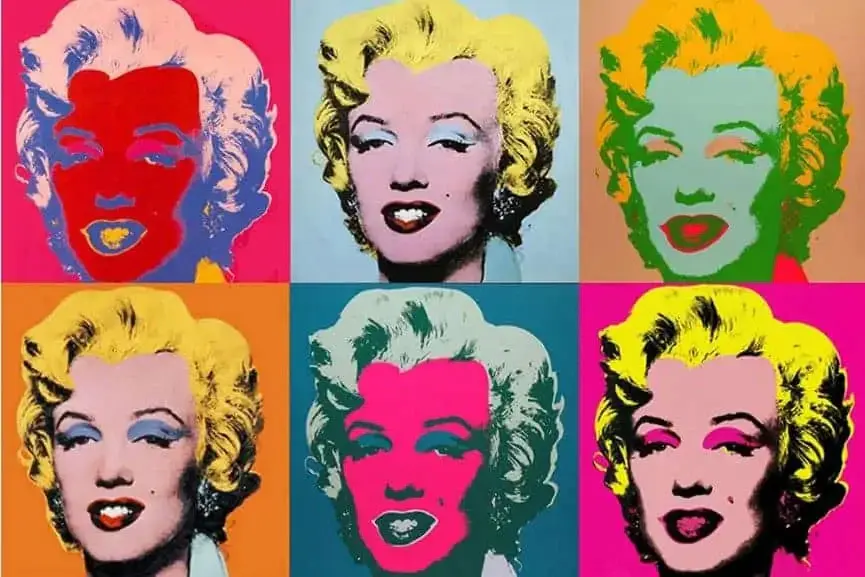
Andy Warhol

Andy Warhol

The defining figure of American pop art and the ultimate blue-chip name. Signed prints and editions keep his work within actual reach.
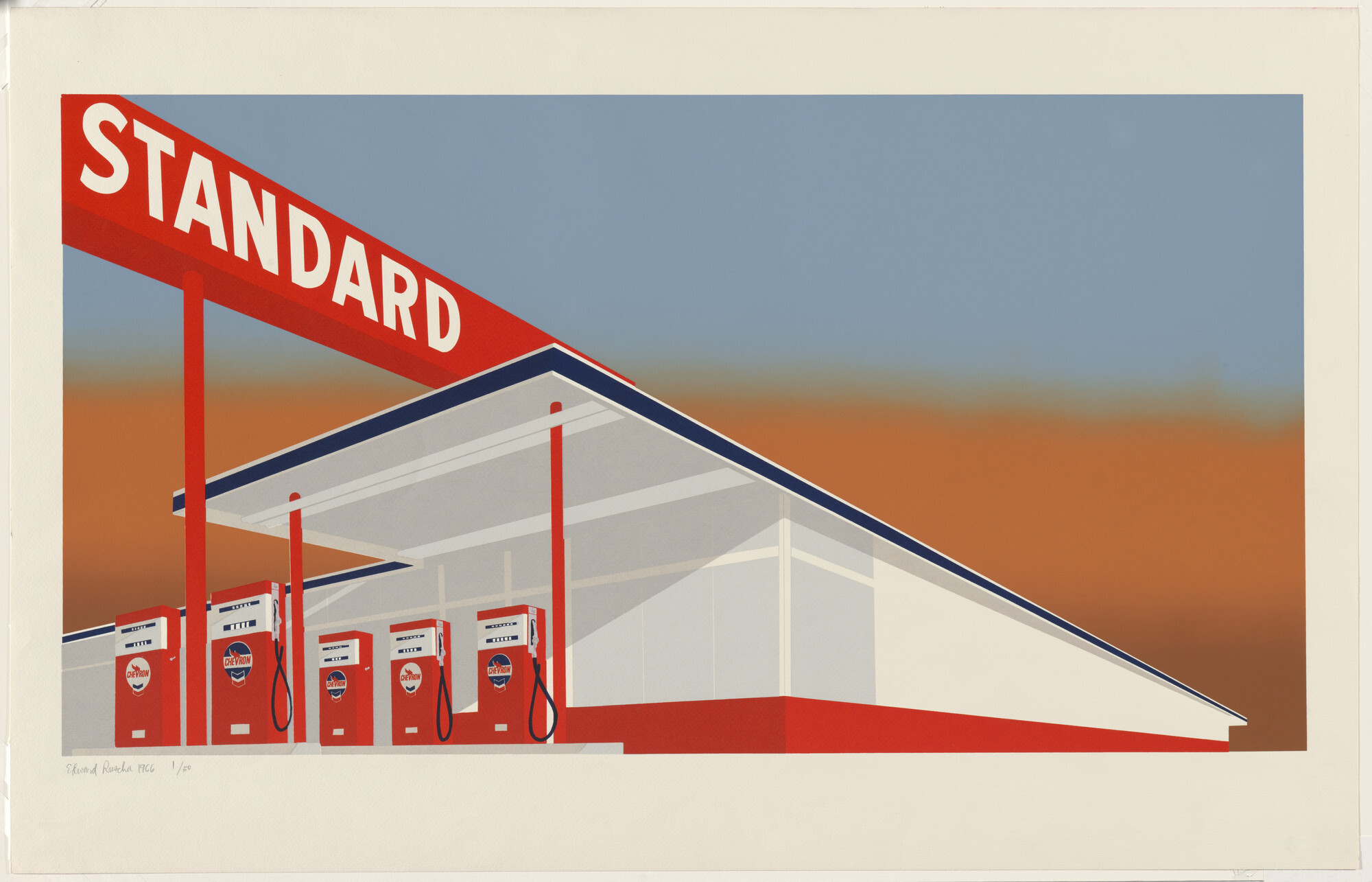
Ed Ruscha

Ed Ruscha

West Coast conceptual and pop. Prints, artist books, unique works.

Hiroshi Nagai

Hiroshi Nagai

The painter behind the city-pop album covers of the 1980s. Scarce originals, growing international demand.

Keith Haring

Keith Haring

Radiant figures and subway drawings that defined 1980s New York. A deep print market makes Haring one of the most approachable blue-chip entry points.

Before You Buy Anything

The four things we check on every acquisition

You don't need to know this market inside and out. That's our job. Every piece gets the same four checks, so nothing enters your collection on a story alone.

01

Provenance

Who owned it, who showed it, and whether the chain of ownership is clean and documented. This protects both the value today and your ability to resell later.

02

Liquidity

How deep and active the secondary market is for this name. A great piece you can’t sell isn’t really an asset.

03

Condition

The most overlooked destroyer of value, and the easiest thing to misjudge without a trained eye on the actual piece.

04

Trajectory

Where the artist sits in their arc, and whether the momentum behind them is real or just a good sales pitch.

Contact Us

Start the conversation

Share a few details and we'll be in touch to set up a free, private consultation.