Markets / Modern Art

Modern Art

Early 20th century masters and estate works. The names are settled and the supply is finite, which makes this the steadiest corner of the art market.

How This Market Works

Modern art is a settled market. The names are canonical, the history is written, and the artists aren't making any more work. Every time a museum acquires a piece, it leaves the market for good. That permanent scarcity is what holds prices up.

So the question is rarely whether a Picasso or a Matisse holds value. It's which one, at what price, and in what form. A signed lithograph, a ceramic, or a work on paper from the right period carries a blue-chip name at a small fraction of what a canvas costs. Most of the work is knowing where that value actually sits.

The Names You Know, and How to Own Them

Picasso, Matisse, Kahlo, Rothko. The entry point is almost never the eight-figure canvas. Prints, ceramics, and works on paper let you own these names at genuinely accessible prices, with the documentation and liquidity that protect you if you ever sell.
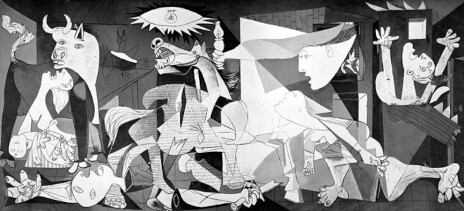
Pablo Picasso

Pablo Picasso

The most prolific master of the 20th century. Tens of thousands of prints, ceramics, and drawings mean there is a real entry point at nearly any budget.

Henri Matisse

Henri Matisse

Color, cutouts, and effortless line. His lithographs and editioned works carry the same joy as the paintings at a small fraction of the price.
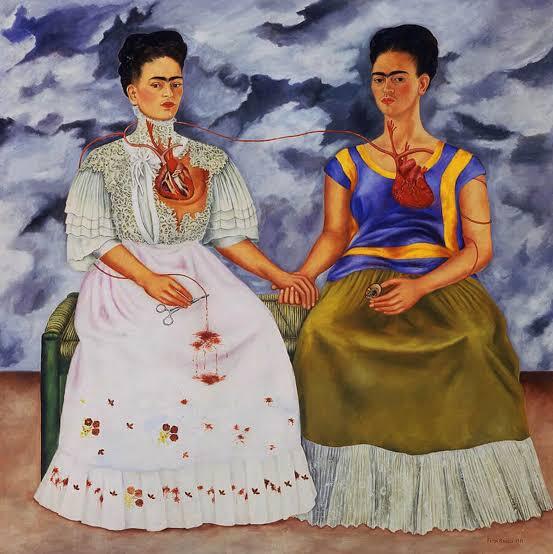
Frida Kahlo

Frida Kahlo

A small, fiercely held body of work. Original pieces surface rarely, and when they do, the whole market pays attention.
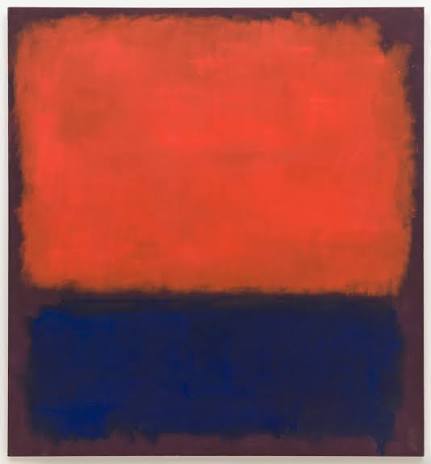
Mark Rothko

Mark Rothko

Color fields with an unshakable institutional reputation. Works on paper are the realistic way into one of the great postwar names.

Before You Buy Anything

The four things we check on every acquisition

You don't need to know this market inside and out. That's our job. Every piece gets the same four checks, so nothing enters your collection on a story alone.

01

Provenance

For modern masters, provenance is everything: an unbroken, documented chain of ownership and, where it exists, inclusion in the artist’s catalogue raisonné. This is where forgeries get caught.

02

Liquidity

How deep and active the secondary market is for this artist and medium. Works on paper and prints are often the most liquid entry into a given master’s market.

03

Condition

Foxing, restoration, fading, relining. With century-old works, condition separates a sound purchase from a slow loss, so it gets examined in person, every time.

04

Authentication

Committee approval, foundation certification, and expert consensus. For a closed body of work, an authentication question is a value question.

Contact Us

Start the conversation

Share a few details and we'll be in touch to set up a free, private consultation.